Key Takeaways
- The difference between a basic drill and a versatile multi-tool comes down entirely to having the right accessories for your specific needs. Start with high-quality basic pieces as opposed to massive cheap sets. A drill guide, magnetic bit holder, and quality basic bits provide more value than 100 mediocre pieces you’ll rarely use.
- Match your accessories to your actual projects as opposed to trying to prepare for every possible scenario. If you don’t work with masonry, those carbide bits are just taking up space.
- Focus on the attachments that solve problems you actually face regularly.
- Quality accessories genuinely cost less over time because they last longer and produce better results. The initial investment feels higher, but eliminating the frustration of broken bits, stripped screws, and failed projects makes it worthwhile.
- Your drill is only as capable as the accessories you choose to pair with it.
I remember the first time I bought a power drill. I was genuinely excited about all the possibilities it opened up for my home projects.
But standing in that tool aisle, nobody tells you that the drill itself represents maybe 30% of what you actually need.
The other 70% comes down to having the right accessories, and most people get this completely wrong.
You might assume that buying one of those massive drill bit sets with 100+ pieces means you’re fully prepared for anything. Or maybe you think the basic bits that came with your drill will handle whatever projects come your way.
I’ve watched friends struggle through projects with inadequate accessories, and I’ve definitely been there myself, trying to force the wrong attachment to do a job it was never designed for.
Most drill owners fall into one of two camps: either they own way too many accessories they’ll never use, or they don’t have the essential ones that would actually make their projects easier and more professional-looking. Industry data shows the average homeowner uses only about 20% of the accessories in their collection, which means there’s a lot of wasted money sitting in toolboxes gathering dust.
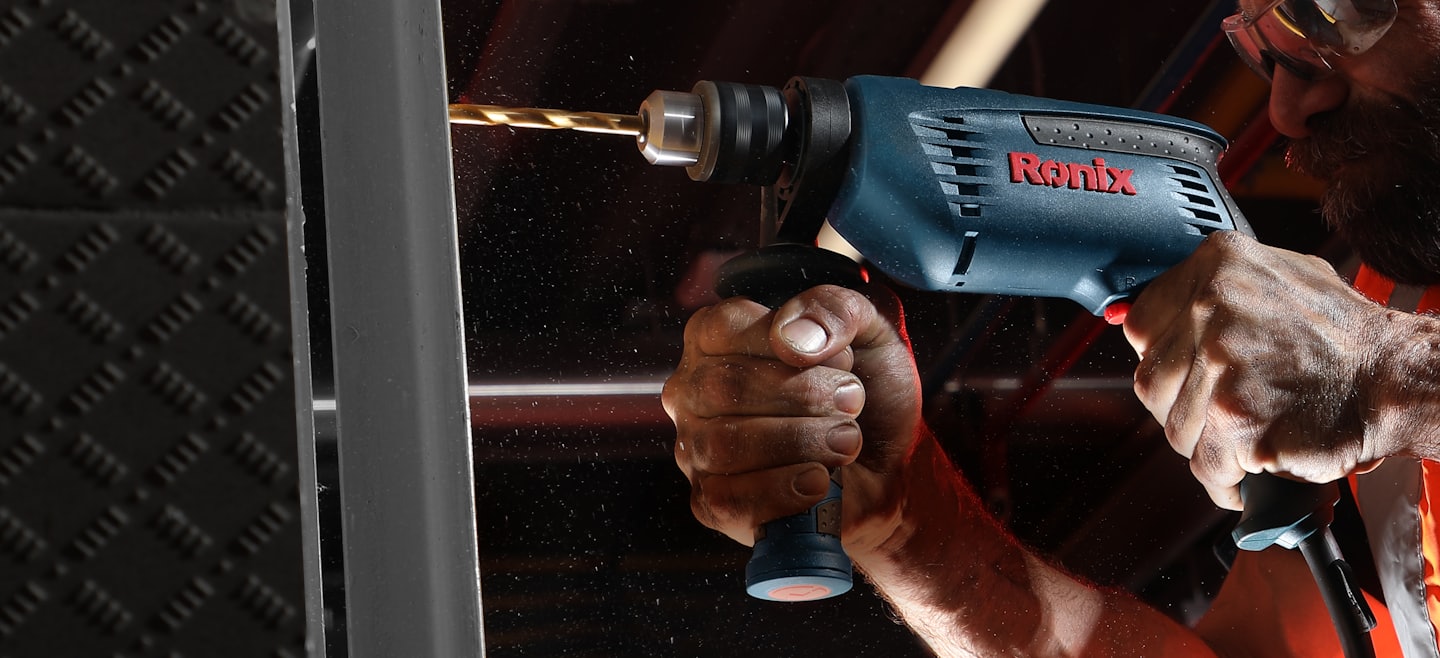
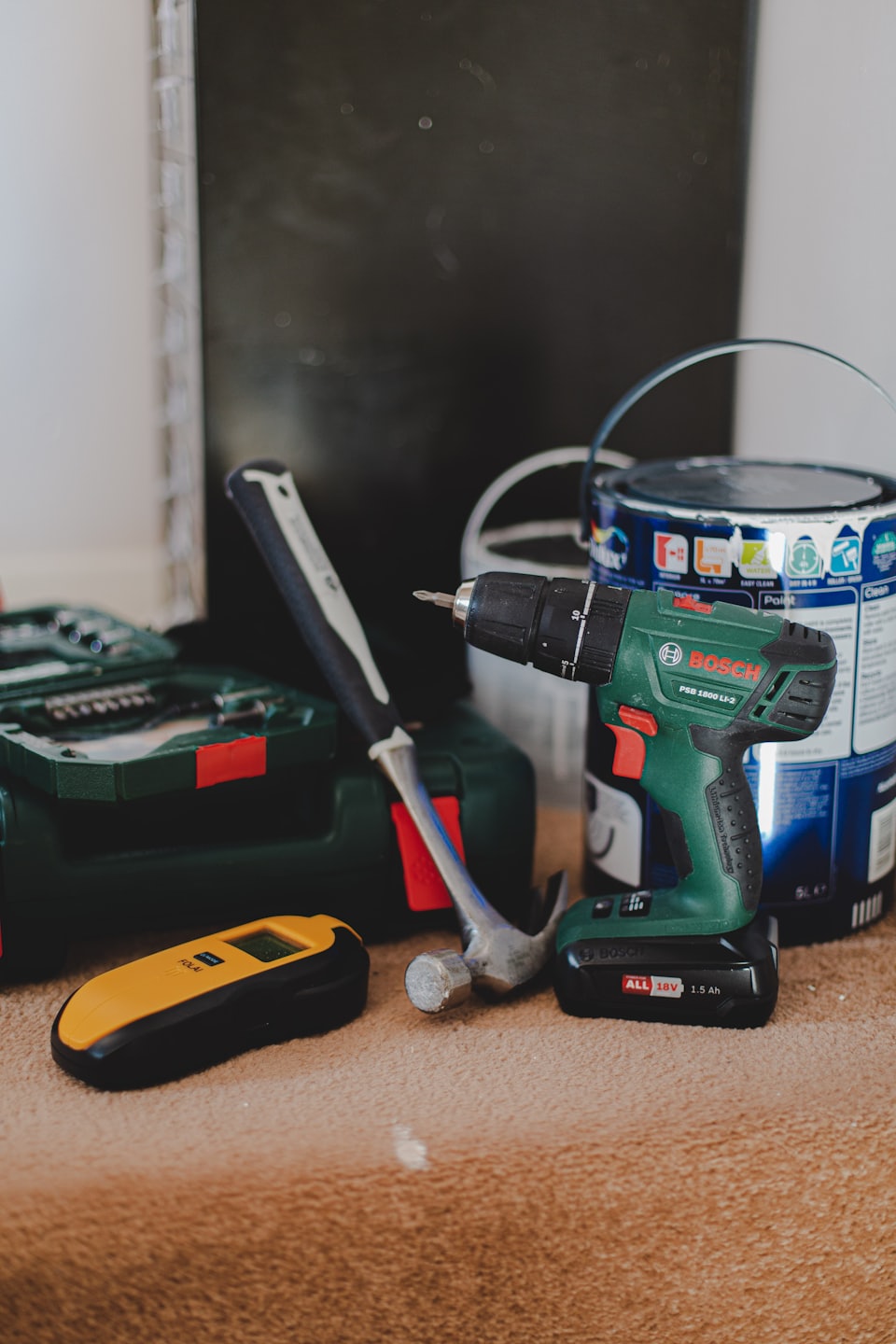
When you do have the right accessories, your drill changes from a simple hole-making device into this incredibly versatile tool that can handle drilling, fastening, sanding, cleaning, mixing, and even gardening tasks. The key is understanding which accessories genuinely matter for your specific needs and which ones are marketing hype designed to separate you from your money.
Understanding Drill Bit Fundamentals
The foundation of any drill accessory collection starts with the bits themselves. Not all drill bits are created equal, and the differences go way beyond just size.
The material composition, tip design, and coating all significantly impact performance and longevity.
Twist bits are your workhorse bits for general drilling in wood, metal, and plastic. They feature that characteristic spiral design with helical flutes that channel debris out of the hole as you drill.
The quality difference between cheap and premium twist bits is honestly night and day. Budget bits dull quickly, wander on initial contact, and can actually cost you more money in the long run because you’re constantly replacing them.
High-speed steel (HSS) twist bits handle most general applications, but when you step up to titanium-coated versions, you get significantly better heat resistance and longer life, especially when drilling through metal. The golden coating serves a real purpose.
It’s a titanium nitride layer that reduces friction and heat buildup.
I’ve used both extensively, and the difference in durability is measurable. A premium titanium-coated bit can outlast five or six standard HSS bits when drilling through steel or aluminum.
The price difference feels substantial at first. A quality titanium-coated set might cost three times what a basic HSS set costs.
But when you factor in replacement frequency and the frustration of stopping mid-project to replace a broken bit, the value equation shifts dramatically.
For woodworking projects, brad-point bits are genuinely transformative. That center spur and sharp cutting edges create clean, precise holes without the wandering that frustrates so many DIYers.
The W-shaped tip centers itself before the cutting edges engage, which means your holes end up exactly where you intended them. I’ve seen the difference firsthand when installing cabinet hardware.
Brad-point bits prevent those heartbreaking moments when a hole ends up a quarter-inch off center.
The cutting edges on brad-point bits slice wood fibers cleanly as opposed to tearing them. This produces holes with smooth walls and minimal splintering at entry and exit points.
When you’re doing visible woodwork where appearance matters, this difference elevates your results from acceptable to professional.
Brad-point bits work best at moderate speeds. Running them too fast generates excessive heat and can scorch the wood. I typically use medium-low speed settings on my drill, which gives me better control and cleaner results.
When you need larger holes in wood, say for running electrical cable or plumbing, spade bits get the job done quickly and affordably. They’re not the most refined option, but for rough construction work where speed matters more than a perfectly smooth hole, they’re hard to beat.
The flat paddle design removes material quickly, and the center point keeps the bit positioned accurately. I use spade bits often for drilling through wall studs when running wires or pipes.
They’re fast, inexpensive, and perfectly adequate for applications where hole finish doesn’t matter.
Tackling Harder Materials
If you’ve ever tried drilling into concrete or brick with a standard twist bit, you know the frustration of making essentially zero progress while your bit smokes and dulls instantly.
Masonry bits solve this problem with a carbide tip that’s brazed onto the steel shaft. That carbide is significantly harder than concrete, which allows it to chip away at the material as opposed to just generating heat.
Here’s the critical detail most people miss: masonry bits need to be used with a hammer drill function. The percussive action is what actually breaks up the masonry while the bit rotates to clear debris.
Without that hammering motion, even the best masonry bit will struggle. I learned this the hard way trying to mount shelves in my basement.
Regular drill mode on concrete is basically pointless.
You’re just spinning the bit against an incredibly hard surface without the impact energy needed to fracture the material.
Quality masonry bits feature a carbide tip with a specific geometry designed for percussion drilling. The tip shape varies based on the application.
Standard masonry bits work well for concrete and brick.
Specialized versions exist for harder materials like natural stone or reinforced concrete.
For cutting large-diameter holes in various materials, hole saws become essential. These circular, toothed attachments mount on an arbor and cut a ring as opposed to drilling out all the material.
The efficiency difference is dramatic. A 3-inch hole saw can cut through a door in seconds, while trying to achieve the same result with a regular bit would be nearly impossible.
The material composition matters tremendously with hole saws. Bi-metal versions mix flexibility with cutting edge hardness, making them ideal for wood and metal.
The teeth are made from high-speed steel, while the cup body uses spring steel that resists cracking.
Carbide-tipped models handle tile, fiberglass, and other abrasive materials. Diamond grit hole saws tackle glass and ceramic.
Choosing the wrong type for your material leads to frustration and damaged bits.
I once tried cutting through ceramic tile with a standard bi-metal hole saw. The teeth dulled immediately, and I ended up having to buy the fix diamond grit version anyway.
When using hole saws, clearing debris becomes critical. The kerf fills with material quickly, especially in wood.
I stop every few seconds to back the saw out and clear the waste.
This keeps the teeth cutting effectively and prevents binding.
Precision Attachments That Improve Results
One of the most underrated accessories in any drill collection is a proper drill guide. These devices might look simple, but they solve one of the biggest challenges in DIY work: drilling straight, accurate holes at consistent angles.
The difference between eyeballing a hole and using a drill guide is the difference between amateur and professional results.
Quality drill guides use self-centering bases that position themselves automatically on your workpiece. Many accommodate angle drilling from 45 to 90 degrees, which is incredibly useful for joinery and angled fastening.
The Milescraft DrillMate has essentially revolutionized precision drilling for homeowners who don’t have access to a drill press. The device clamps to your workpiece and guides the drill bit through hardened steel sleeves.
This eliminates wobble and drift that occur when drilling freehand.
I use my drill guide constantly for projects requiring accuracy. Installing door hinges, dowel joinery, and any application where hole position matters all benefit from guided drilling.
The setup time is minimal, and the improvement in results is substantial.
Countersink bits are another precision tool that separates acceptable work from truly professional finishes. These bits drill a pilot hole and create the conical recess for screw heads in a single operation.
When you’re installing cabinet hardware, building furniture, or doing any visible fastening work, countersinking confirms your screw heads sit perfectly flush with or slightly below the surface.
The self-centering varieties take this even further. They automatically position themselves on hinge mounting holes or existing marks, eliminating the measuring and marking step entirely.
Once you’ve experienced the speed and accuracy of self-centering countersink bits, going back to regular bits feels painfully inefficient.
I keep several sizes of countersink bits in my collection. Different screw sizes need different countersink diameters.
Using the fix size produces clean, professional results.
Using the wrong size leaves screw heads proud or creates an oversized recess.
Accessing Tight Spaces
Every experienced DIYer eventually encounters spaces where a regular drill simply won’t fit. Between floor joists, inside cabinets, behind appliances, or in tight corners.
This is where right-angle attachments become genuinely invaluable.
These compact attachments redirect your drill’s rotation 90 degrees, allowing you to work in spaces as narrow as two inches.
Here’s the trade-off that most people don’t realize: right-angle attachments reduce your available torque. The mechanical advantage works against you in this configuration, so they’re best suited for lighter-duty drilling and driving as opposed to heavy-duty applications.
I’ve found them absolutely essential for electrical work and cabinet installation, but I wouldn’t try to drill large holes through structural lumber with one. The gearing and friction losses mean you’re getting maybe 60-70% of your drill’s normal power at the output.
Quality right-angle attachments feature metal gears and housings. Cheaper plastic versions wear quickly and can strip under load.
I learned this after burning through two inexpensive attachments before finally buying a quality unit that’s lasted for years.
Flexible shaft holders offer a different solution for confined spaces and awkward angles. These bendable extensions can curve around obstacles while maintaining rotation, and many feature magnetic tips to hold fasteners securely.
The key is getting quality flexible shafts that don’t kink or lose rigidity during use. Cheaper versions tend to twist and bind, which defeats their purpose entirely.
I spent months working with a budget flexible shaft that constantly wound itself up.
When I finally upgraded to a professional version with a tighter, more durable cable, the difference was remarkable.
Surface Preparation and Finishing
Your drill’s potential extends far beyond making holes. Sanding attachments transform it into a versatile surface preparation tool.
Sanding drums, flap wheels, and hook-and-loop disc holders handle smoothing, shaping, and finishing tasks that would be tedious by hand.
The variety of available grits means you can progress from aggressive material removal with 60-grit attachments to fine finishing with 220-grit or higher. This progression is essential for refinishing furniture, smoothing rough lumber, or preparing surfaces for painting.
The rotational speed gives you much more consistent results than hand sanding, especially on curved or contoured surfaces. I’ve used sanding drums to smooth the inside of curved cuts and to shape wooden parts.
The circular motion removes material evenly, preventing the flat spots and uneven areas that can occur with hand sanding.
For restoration and maintenance work, wire brush attachments excel at removing rust, paint, corrosion, and scale from metal surfaces. Cup brushes work well on flat surfaces, wheel brushes handle edges and corners, and end brushes reach into tight spaces and crevices.
Safety is critical here. Wire brushes can fling debris dangerously, so eye protection is absolutely necessary.
I’ve used wire brush attachments for everything from cleaning old cast iron tools to preparing metal railings for repainting. The speed difference compared to manual wire brushing is honestly dramatic.
What might take an hour by hand can be done in ten minutes with a drill-mounted brush.
Different bristle materials suit different applications. Steel wire brushes handle heavy rust and scale on ferrous metals.
Brass or bronze bristles work better on softer metals like aluminum or copper where steel might scratch.
Nylon bristles with embedded abrasive grit tackle lighter cleaning tasks without damaging underlying material.
Fastening and Driving Efficiency
Converting your drill into an electric screwdriver requires nothing more than quality screwdriver bits. These come in every configuration imaginable: Phillips, flathead, Torx, hex, square drive, and specialty security bits.
The key is matching the bit type exactly to your fasteners to prevent cam-out, that frustrating slipping that strips screw heads.
Magnetic bit holders are a genuinely transformative upgrade from basic bits. The magnetism holds fasteners on the bit tip, which means you can position and drive screws one-handed. This seems like a small thing until you’re working on a ladder, in a tight space, or anywhere that requires you to steady your workpiece with one hand.
The time savings and reduced frustration really add up over the course of a project. I’ve timed myself assembling furniture with and without magnetic bit holders.
The magnetic version consistently cuts assembly time by 20-30% simply by eliminating the need to manually hold each screw in position.
For nuts and bolts, socket driver sets dramatically improve efficiency compared to manual ratchets. Quick-change systems let you swap socket sizes in seconds, and the continuous rotation of a drill is faster than the back-and-forth motion of a ratchet.
I’ve found these especially useful for assembling furniture, installing hardware, and any project with repetitive fastening tasks. The hex shank design makes swapping sockets effective.
Most sets include the common metric and standard sizes you’ll encounter in typical projects.
Expanding Beyond Construction
Your drill can handle tasks well beyond traditional construction work. Paint mixer attachments with hex shanks and flexible nylon mixing heads improve your drill into an industrial paint mixer.
The efficiency difference when stirring 5-gallon buckets of paint, joint compound, or grout is substantial.
Manual mixing rarely achieves truly consistent results, while a drill-powered mixer thoroughly combines materials in a fraction of the time. The paddle design creates turbulent flow that lifts settled pigments and solids from the bottom and blends everything uniformly.
I use my mixer attachment before every painting project now. Even paint that’s been sitting on the shelf for months mixes perfectly in under a minute.
The consistent blending eliminates streaks and color variations that can occur with inadequately mixed paint.
Garden auger bits represent one of those outside-the-box accessories that genuinely expand your drill’s utility. These spiral bits bore clean, flat-bottomed holes perfect for planting bulbs, seedlings, or fence posts.
A 4-inch auger makes spring planting dramatically faster. What might take 20 minutes per dozen plants with a hand trowel becomes a 5-minute task with an auger attachment.
The key is using these with a corded drill as opposed to relying on battery power. Soil drilling drains batteries quickly, and corded drills typically provide more sustained torque for this kind of resistance.
I tried using my cordless drill with a garden auger once.
The battery lasted for maybe eight holes before it was completely drained.
People Also Asked
What drill bits are best for beginners?
Start with a quality set of twist bits in common sizes from 1/16-inch to 1/2-inch. These handle most general drilling in wood, plastic, and metal.
Add a few brad-point bits for woodworking and masonry bits if you work with concrete.
Can I use regular drill bits with a hammer drill?
Regular bits work in hammer drill mode, but masonry bits with carbide tips perform much better on concrete and brick. The carbide withstands the percussive action and cuts more efficiently through hard materials.
How do I drill straight holes without a drill press?
A drill guide attachment positions your drill perfectly perpendicular to the workpiece and maintains alignment throughout the drilling process. Quality guides cost around $20-30 and dramatically improve accuracy.
What size hole saw do I need for doorknobs?
Standard doorknob installations need a 2-1/8 inch hole saw for the knob body and a 1-inch spade bit or hole saw for the latch mechanism.
Do titanium drill bits really last longer?
Titanium-coated bits last significantly longer than standard high-speed steel bits, especially when drilling metal. The titanium nitride coating reduces friction and heat, which are the main causes of bit wear.
Can I use a drill to mix paint?
Paint mixer attachments designed for drills work extremely well for mixing paint, joint compound, grout, and other materials. Use low speeds to prevent splashing and incorporate air bubbles into the mixture.
What’s the difference between impact-rated and regular bits?
Impact-rated bits are heat-treated differently and engineered to withstand the high-torque pulses from impact drivers. Regular bits can shatter or break prematurely when used with impact tools.
How do I remove a broken drill bit?
If the bit broke off in your workpiece, try using locking pliers to grip the exposed portion. For bits broken flush or recessed, you may need to drill carefully around the broken bit with a slightly larger bit to extract it.